Catch the peak of the Orionid meteor shower on October 22! Learn the best viewing times, how to beat the moonlight, and spot Halley’s Comet shootin
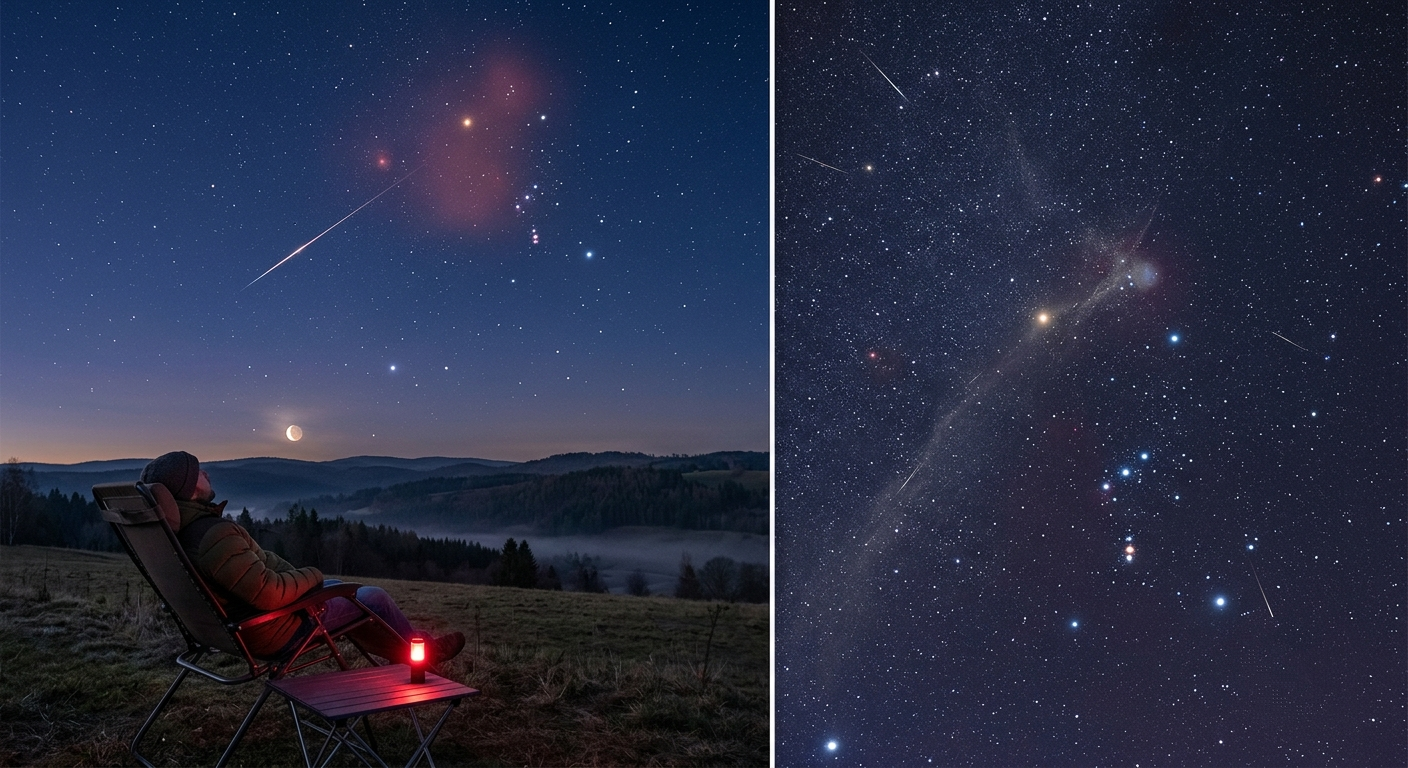
CHICAGO — If you are willing to trade a little sleep for a stunning view of the cosmos, this week offers a perfect opportunity. The annual Orionid meteor shower is ramping up toward its peak, bringing a brilliant display of shooting stars courtesy of one of history’s most famous comets.
Every year in October, Earth passes through a vast trail of dust and debris left behind in space by Halley’s Comet. As these tiny remnants collide with our planet’s upper atmosphere at blazing speeds – roughly 41 miles per second- they vaporize in a flash of light, creating the swift, bright streaks we know as the Orionids.
Sky-watching guides from Sky & Telescope highlight that while the shower remains active for weeks, the peak nights arrive mid-week, with the best action expected during the predawn hours of October 22.
There is, however, a minor obstacle for stargazers this year: moonlight. Because a bright waxing moon will flood the sky during the early evening hours, it threatens to wash out some of the fainter meteors.
Read More : James Webb Telescope Detects Most Distant Fast Radio Burst in History: What Is FRB 20240304B?
To beat the moonlight and catch the best show, astronomers recommend setting your alarm for around 3:00 a.m. local time on Thursday morning. Once the moon dips below the horizon, the skies will darken considerably, offering a prime window of visibility before dawn begins to break.
No telescopes or fancy equipment are required to enjoy the event. Experts advise finding a dark location away from city lights, lying back comfortably, allowing your eyes about 20 minutes to adjust to the dark, and simply looking up. With a little patience and a warm jacket to fend off the autumn chill, early risers will be rewarded with a breathtaking encounter with cosmic history.